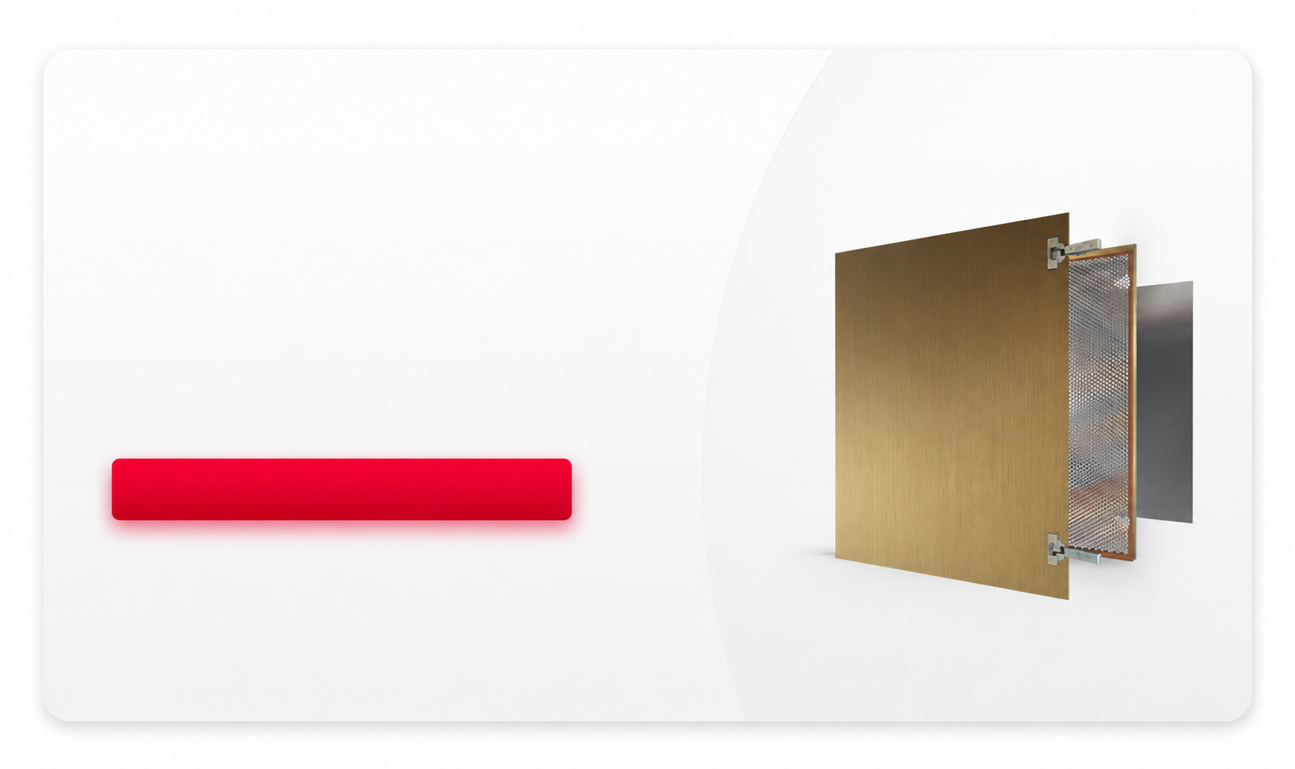
Aluminum frame doors, even in large sizes, covered in thin ceramic or glass.
In the photo, the doors have a solid wood perimeter for processing:
- 45° cut in the thickness for grip. - Hardware insertion for doors and drawers. - Edged in ABS.

Via G.Galilei, 10 - 22075 Lurate Caccivio - Como - Italy
P.IVA - Cod.Fisc. 03607200122 - Cap. Soc. € 75.000,00 i.v.
Tel. +39.031.49 00 78
email: sales@3b-lab.com
INFORMATIVE
Privacy policy
SPECIAL APPLICATIONS
Cookies policy
Home < Applications > Panel Layup Design
Panel Lay-up Design
Every Panel Starts with Its Layup.
Every composite panel begins with an analysis of the application. The layup design process is how we define materials, core, facings, thicknesses, inserts, and manufacturing operations to achieve the optimal balance of performance, weight, stiffness, strength, and manufacturability.
━
DEVELOPMENT PROCESS
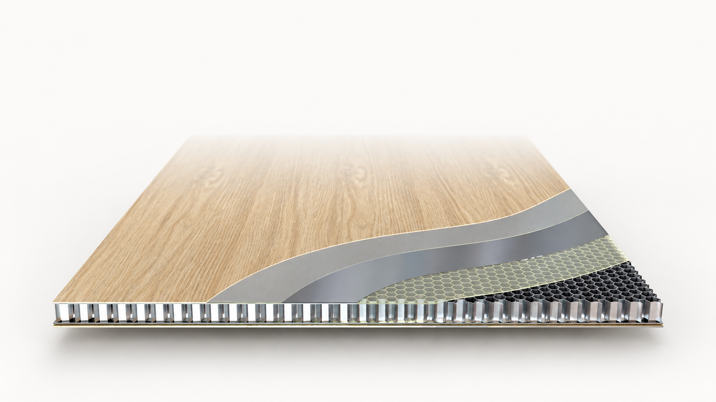
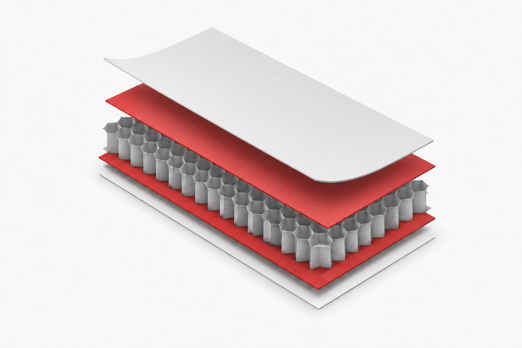
Covering skin
Panel Layup Design >
Frame - Reinforcement Integration >
Edging >
Coating with laminate >
CNC machining >
Adhesive
Structural skin
Glue
Support
│A Complete Solution, Not Just a Component.
From panel engineering to hardware manufacturing, every element is designed to work seamlessly as part of an integrated system.
Three Key Elements Defining the Panel Structure
━
Core Selection
The Foundation of Performance
Selecting the right core material is the first step in defining the panel's mechanical properties, weight and overall performance.
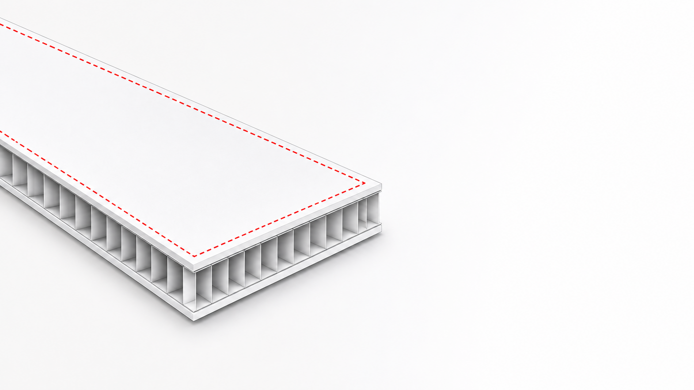
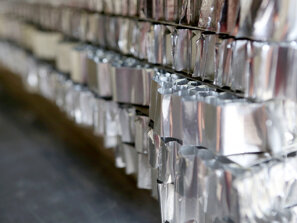
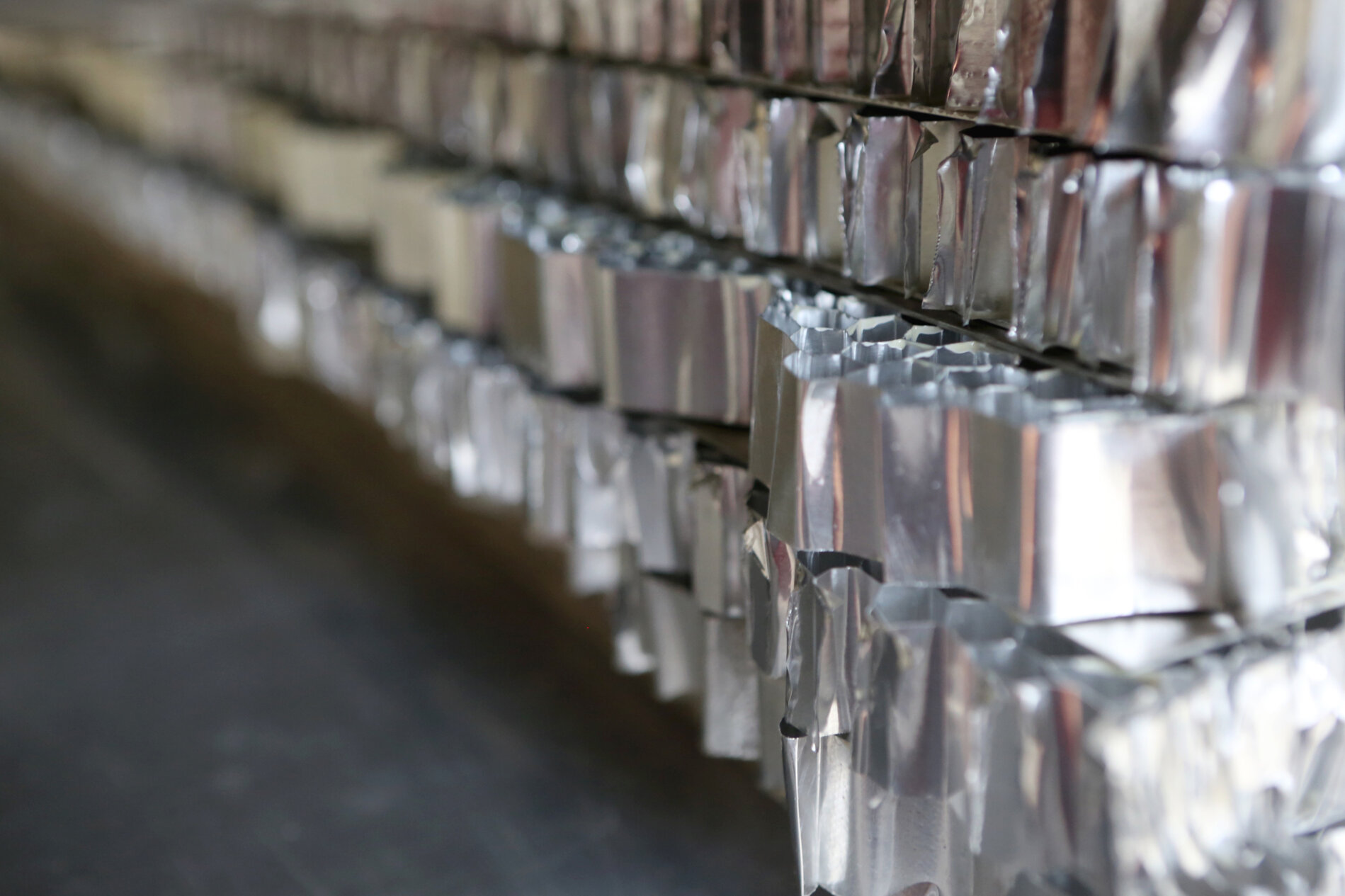
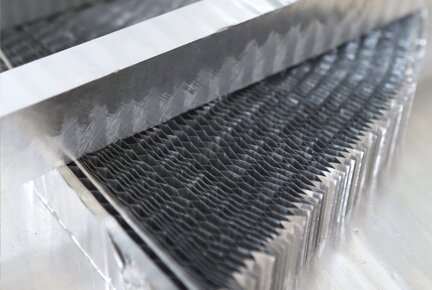
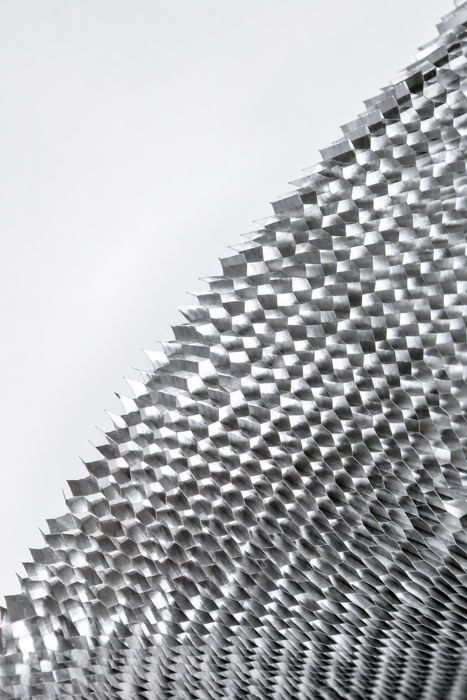
Aluminium honeycomb
✔ High Stiffness
and Strength
Aluminium honeycomb offers high specific stiffness, low weight and excellent dimensional stability.
Available in 3003 and 5052 aluminium alloys, with foil thicknesses of 0.05 mm and 0.06 mm respectively, it can be supplied in two configurations:
Microperforated: allows air to flow between adjacent cells, reducing pressure differences caused by temperature fluctuations.
Perforated: enables airflow through the core to meet specific application requirements.
✔ Excellent Stiffness
to-Weight Ratio
✔ Dimensional
Stability
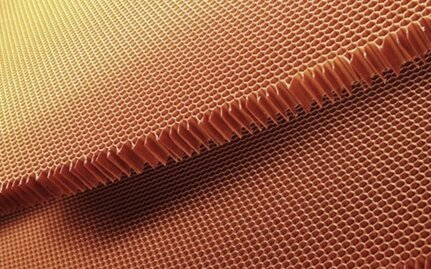
Nomex honeycomb®
✔ Fire Resistance
Manufactured from resin-impregnated aramid paper, Nomex® honeycomb combines lightweight construction with excellent mechanical properties.
It is particularly suitable for applications requiring weight reduction and specific fire-performance characteristics. Actual performance depends on the material configuration and applicable certifications.
✔ Low Weight
✔ Good Mechanical
Strength
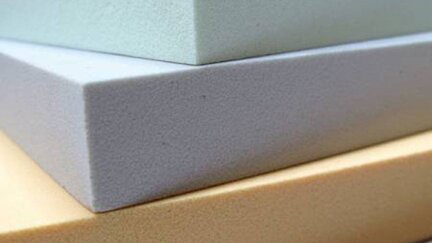
Polyethylene terephthalate PET
✔ Lightweight
Polyethylene terephthalate (PET) is a thermoplastic polymer known for its versatility and engineering properties.
Depending on the specific grade and formulation, PET can offer good electrical insulation, chemical resistance, thermal performance and fire-retardant properties.
Its mechanical characteristics and, where applicable, certified fire, smoke and toxicity (FST) performance make suitable PET grades an option for marine and construction applications.
✔ Excellent Energy
Absorption
✔ Good Compressive
Strength
━ TECHNICAL INSIGHTS
Core Specifications
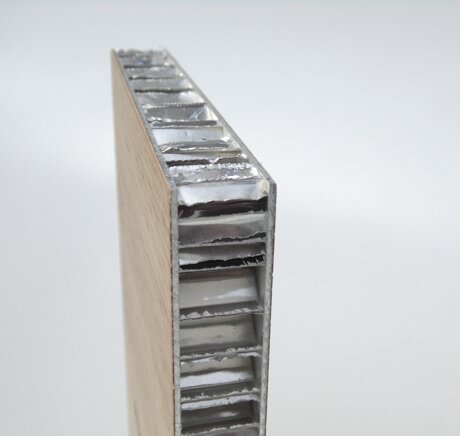
Core thickness and cell size determine the mechanical properties of the panel.
Cell Size
Two different honeycomb core densities are available.
Higher core density improves the panel's mechanical performance and bending resistance, with only a limited increase in weight.
Core Thickness
Core thickness, combined with cell size, determines the mechanical properties of the panel.
X
⌀

ALUMINIUM HONEYCOMB CORE
NOMEX® HONEYCOMB CORE
1/6" (3.2 mm)
Density: 48 kg/m³
1/8" (1.8 mm)
Density: 60 kg/m³
3/8" (8.66 mm)
Density: 40 kg/m³
1/4" (6.25 mm)
Density: 80 kg/m³
AVAILABLE THICKNESS
Custom thicknesses available on request, ranging from 8 mm to 60 mm.

━
Skins selection
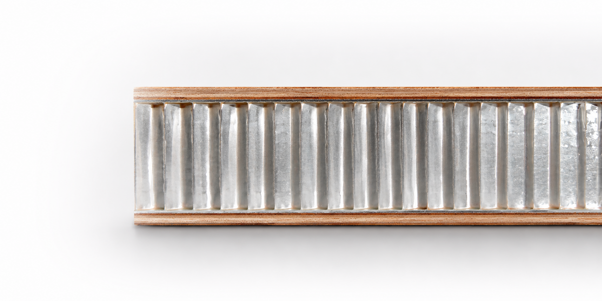
A major advantage is the ability to create asymmetric and multi-layer panel constructions
The two faces of a composite panel can serve different functions. We therefore develop tailored panel lay-ups, combining materials and thicknesses to meet specific application requirements.
Panels can be engineered with:
• Different surface materials on each face
• Different skin thicknesses
• Different material combinations
• Multiple material layups
This design flexibility makes it possible to optimize mechanical performance, weight, aesthetics, and cost simultaneously.
Example of a Custom Panel Lay-up
Structural skins
Structural skins are those surfaces that make up the panel and serve to provide structure and stability to the panel and can be made of:
- Aluminum or metal
- Steel
- G10 fiberglass
- Nomex®
- Kevlar®, one or more layers
To optimize sound absorption or thermal insulation characteristics, it is possible to combine a cork skin with the structural skins
Covering skins
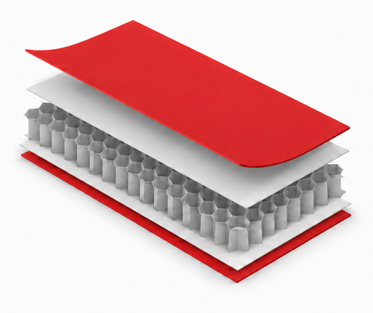
The covering skins are those surfaces that cover the panel, giving it the desired decorative purpose, and can be in:
- High pressure laminate
- Veneer
- Solid wood max 6 mm thick
- MDF
- Glass
- EpoxyPrepreg
Adhesive
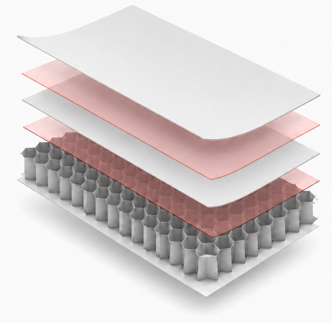
Structural adhesives have different chemical formulations depending on the nature of the materials to be joined:
- Epoxy adhesives for structural use and for bonding composite materials.
- Primers to increase adhesion and surface protection
- Foaming adhesives to seal joints between the same components
- Epoxy adhesive films for bonding surfaces.
Every Panel Starts with Its Layup
There is no universal panel.
Each configuration is engineered according to the required performance, facing materials, machining and final application.
Do you have
a specific requirement?
Talk to one of our engineers to define the panel configuration best suited to your application.